
Affordable Tree Trimming Rates and Factors Impacting Tree Trimming Pricing...
Hey there! If you’re thinking about getting your trees trimmed, you might be wondering, “What’s going to affect the price?” Well, you’re in the right place! Tree trimming expenses can vary quite a bit, and understanding the factors behind those costs can help you plan better and avoid surprises. Let’s dive into the nitty-gritty of what influences tree trimming expenses and how you can get the best bang for your buck!
What Influences Tree Trimming Expenses?
Tree trimming isn’t just about snipping a few branches here and there. There’s a lot more going on behind the scenes that impacts the price. Here are some of the main factors that can affect your tree trimming expenses:
1. Tree Size and Height
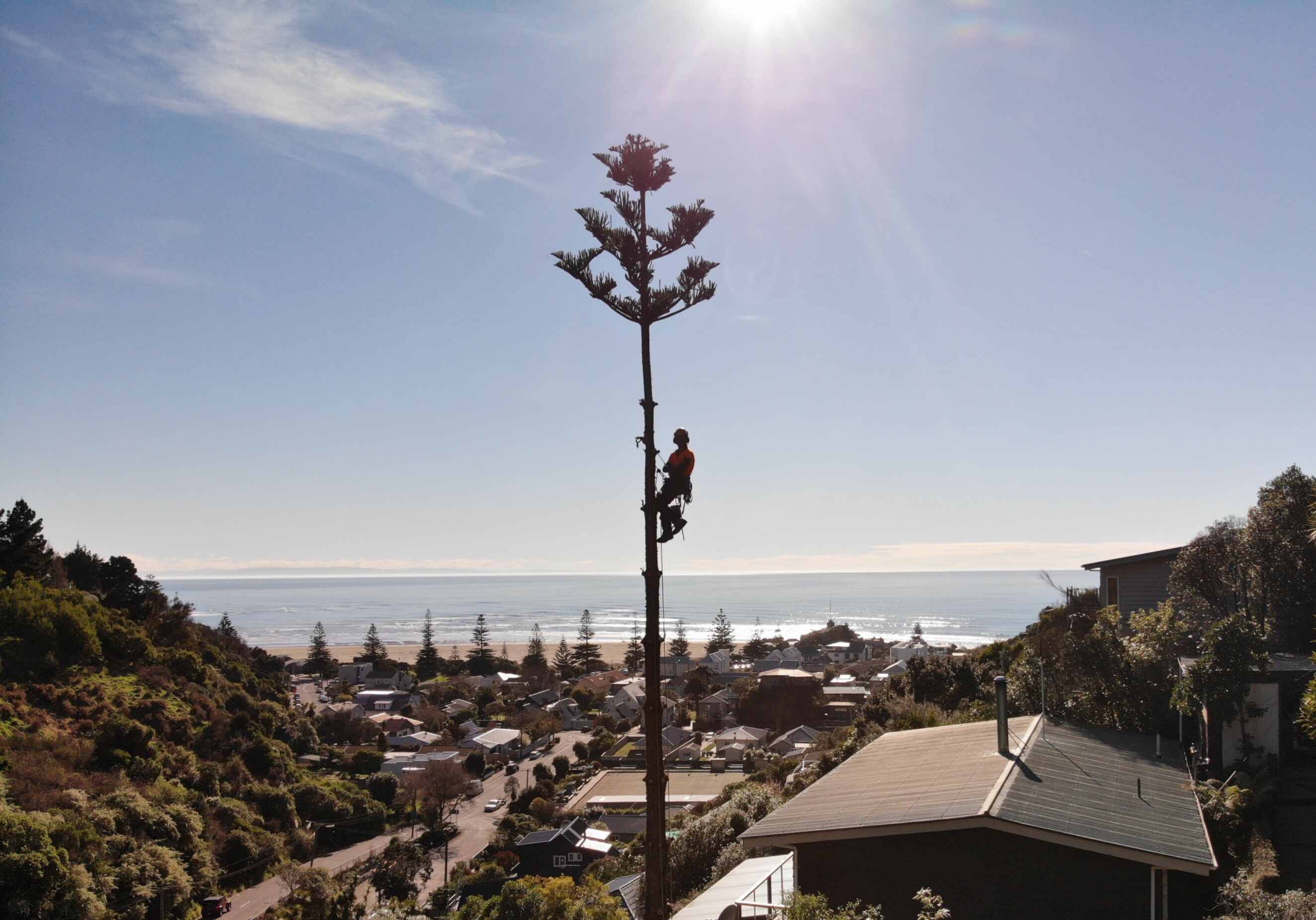
Bigger trees usually mean bigger bills. Why? Because taller trees require more equipment, more time, and often more safety precautions. A small fruit tree in your backyard is a breeze compared to a towering pine that needs a cherry picker or climbing gear.
2. Tree Species and Condition
Some trees are tougher to trim than others. For example, hardwood trees with dense branches take longer to prune than softer, leafy trees. Also, if your tree is diseased, damaged, or has dead branches, it might require extra care and disposal, which adds to the cost.
3. Location and Accessibility
Is your tree easy to reach? Or is it tucked behind a fence, near power lines, or close to your house? Difficult access means more work and sometimes special equipment, which can bump up the price.
4. Amount of Work Needed
Are you after a light trim or a major reshaping? The more branches that need cutting, the longer the job takes. Plus, if there’s a lot of debris to haul away, that’s another cost to consider.
5. Time of Year
Believe it or not, the season can affect tree trimming expenses. Some times of the year are busier for arborists, which can mean higher prices. Plus, trimming during certain seasons might require extra care to protect the tree’s health.
6. Professional Experience and Equipment
Hiring a seasoned arborist with the right gear might cost a bit more upfront, but it’s worth it! Experienced pros work faster, safer, and with better results, saving you money and stress in the long run.

Breaking Down Tree Trimming Expenses
Let’s get a bit more specific about what you might expect to pay and why. Here’s a simple breakdown of typical costs and what they cover:
Basic Pruning: Usually involves removing small branches and shaping the tree. This can cost anywhere from $150 to $400 depending on size.
Crown Thinning or Raising: More detailed work to improve light and air flow. Prices can range from $300 to $700.
Large Tree Trimming: For big trees, expect $500 to $1,500 or more, especially if special equipment is needed.
Debris Removal: Some companies include this, others charge extra. It can add $50 to $200 depending on volume.
Emergency or After-Hours Work: If you need urgent trimming, prices can spike due to the extra effort.
Remember, these are ballpark figures. Your actual tree trimming expenses will depend on the factors we talked about earlier.

How much does it cost to trim a tree NZ?
If you’re in New Zealand, especially around Christchurch and Canterbury, you might be curious about local pricing. Tree trimming costs here can vary, but generally, you can expect:
Small trees: $150 - $350
Medium trees: $350 - $800
Large trees: $800 - $1,500+
Keep in mind, these prices reflect local market conditions, labour costs, and the unique challenges of the region’s tree species and weather. It’s always a good idea to get a few quotes from trusted local arborists to compare.

Tips to Manage Your Tree Trimming Expenses
Want to keep your tree trimming expenses reasonable? Here are some handy tips to help you out:
Plan Ahead: Don’t wait until branches become a hazard. Regular maintenance is usually cheaper than emergency work.
Get Multiple Quotes: Comparing a few local arborists can save you money and help you find the best service.
Clear the Area: Make sure the trimming area is accessible and free of obstacles to speed up the job.
Ask About Inclusions: Check if debris removal and cleanup are included in the price.
Consider Seasonal Timing: Off-peak seasons might offer better rates.
Prioritise Safety: Don’t cut corners on safety gear or professional expertise. It’s worth the investment!
Why Professional Tree Trimming is Worth It
You might be tempted to DIY or hire the cheapest option, but tree trimming is a job best left to the pros. Here’s why:
Safety First: Climbing trees and handling sharp tools can be dangerous.
Proper Techniques: Professionals know how to trim without harming the tree.
Equipment: Arborists have the right gear to handle any size or type of tree.
Insurance: If something goes wrong, you’re covered.
Time and Stress: Save yourself the hassle and enjoy peace of mind.
So, when you’re budgeting for tree trimming, think of it as an investment in your property’s safety and beauty.
Ready to Tackle Your Tree Trimming Project?
Now that you know what impacts tree trimming expenses, you’re better equipped to make smart decisions! Whether it’s a quick prune or a major trim, understanding these factors helps you get quality work without breaking the bank.
Remember, a well-trimmed tree isn’t just about looks - it’s about safety, health, and adding value to your property. So, get out there and give your trees the care they deserve!
Happy trimming!


Comments