
How to Choose a Qualified Tree Removal Expert and Avoid Costly Mistakes
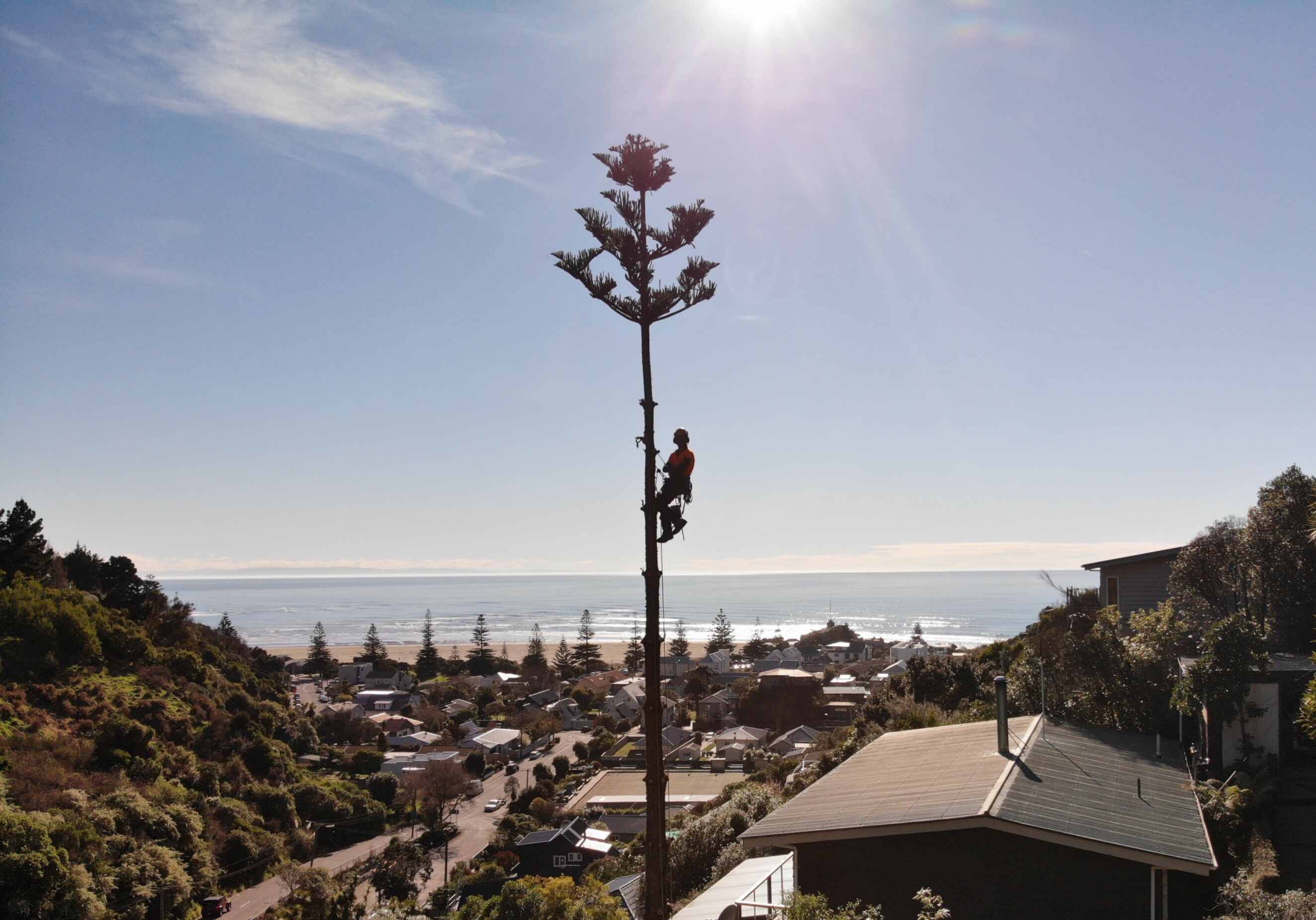
Tree removal shouldn’t be taken lightly. A tree might look simple from the ground, but once ropes, chainsaws, houses, fences, glasshouses, driveways, powerlines, and wind get involved, it becomes technical work very quickly.
The cheapest quote can end up being the most expensive choice if something goes wrong. A dropped limb can crush a roof. A poorly cut trunk can damage underground services. An inexperienced crew can leave a stump, a mess, or a dangerous half-finished job.
If you’re looking at Tree removal in Christchurch, take your time. The right expert will have training, real experience, insurance, and a clear plan. The wrong one may just have a strong Google ranking and a fast sales pitch.

A high Google ranking doesn’t prove real experience
It’s easy to assume the first few companies online are the best. Sometimes they are. Sometimes they’ve simply paid a lot for ads or search visibility.
That doesn’t mean they’re bad, but it does mean ranking alone isn’t enough.
Technical tree removal takes decades to learn well. A crew may need to dismantle a tree in tight situations, lower limbs by rope and pulleys, work around brittle wood, protect gardens, and manage changing weather. That’s not the same as cutting up firewood on the ground.
A good company should be able to explain:
Who will be doing the work
What qualifications or training they have
How long they’ve been removing trees
Whether they handle complex removals regularly
What equipment they’ll use
How they’ll protect your property
What happens if the job changes on the day
If the answer is vague, rushed, or full of “she’ll be right”, keep looking!!!.
Get more than one quote, even if the first one sounds fair
Getting at least two or three quotes isn’t about playing companies against each other. It’s about understanding the job.
One contractor might quote low because they haven’t noticed the poor access down the side of the house. Another might quote higher because they’ve included stump grinding, traffic control, or extra rigging. A third might spot a risk the others missed.
When comparing quotes, don’t just look at the final price. Check what’s included.
Lower quote
Higher quote
May leave out stump removal, green waste, complex rigging, or clean-up, Ignore Traffic control rules.
May include experienced climbers, better equipment, insurance, and safer removal methods and Leaving the property spotless!
Ask each company to break the quote down in plain English. A proper quote should mention the scope of work, disposal of branches and timber, stump options, access needs, and any likely extra costs should be listed clearly.
A rushed one-line quote can be a warning sign, especially for a large or awkward tree.

Choose qualified arborists with real technical experience
For difficult work, look for a qualified arborist, not just someone with a chainsaw and a ute. An Arborist with a large wood chipper will save incredible amounts of time vs old mate with a ute and trailer or even a hire chipper.
Tree work often involves climbing, rigging, controlled lowering, pruning knowledge, and risk assessment. WorkSafe New Zealand guidance for tree work places strong emphasis on planning, competent workers, suitable gear, and managing hazards before the job starts.
To our company thats just common sense, but it’s also a reminder that tree removal is skilled work.
Experience matters too. If a tree is close to your house, leaning over a garage, or tangled with other trees, it’s worth asking for a team with decades of hands-on experience between them.
Good questions include:
How many years has the lead climber been doing removals?
Have you removed similar trees in tight residential spaces?
Will the same experienced person who quotes the job be involved on the day?
Do you use rigging, lowering devices, or cranes when needed?
Can you show photos of similar completed work?
Photos are useful, but in the age of AI don’t be swayed by flashy images alone. Ask what made those jobs difficult and how the team managed the risk. A genuine expert won’t mind explaining.
Check insurance, safety systems, and local rules
Before agreeing to anything, ask for proof of public liability insurance. If a branch goes through a roof or a fence is damaged, you don’t want to discover the contractor isn’t properly covered.
Insurance isn’t the only thing to check. A professional crew should also have a plan for keeping people safe on site.
That means managing drop zones, using protective gear, checking equipment, and keeping children, pets, and neighbours well away from the work area.
We have countless photos and videos of Christchurch contractors breaking rules in regards to many aspects of professional tree care! (And yes many are top google advertisers!)

The right expert will make the job feel organised
The best companies ask questions. They’ll look at access, nearby structures, soil conditions, defects in the tree, wind exposure, and where material can be lowered or dropped. That’s exactly what you want.
A smooth tree removal usually starts with a clear conversation. The contractor turns up, looks properly, explains the risks, and gives you options. They don’t panic you into a decision, and they don’t pretend the job is simpler than it is.
Before work begins, you should know:
What is being removed
Whether the stump is included
Where vehicles and equipment will go
How long the job is likely to take
What parts of the garden need clearing first
How waste will be handled
Who to contact if plans change
That level of detail might feel boring, but it’s what keeps the job controlled.

Take your time before saying yes
Tree removal is one of those jobs where patience pays. Get more than one quote. Ask direct questions. Look past Google rankings. Choose qualified arborists with proven, real-world experience, especially for technical removals near homes, fences, services, or powerlines.
A good expert won’t make you feel silly for asking. They’ll explain the plan, show they’re insured, and treat your property with care.
That’s the difference between simply getting a tree down and getting it down safely.


Comments